
|
||
|
|
 |
|
|
|
||



Marc Sherman O.D., FCOVD
EYE EXAMS:
BEYOND 20/20
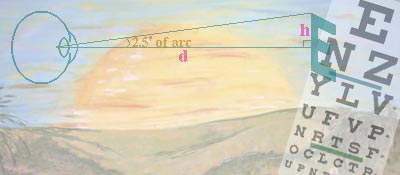
Our comprehensive vision exam goes beyond 20/20 to evaluate many important visual skills The Snellen fractions (20/20, 20/100, etc.) are measures of sharpness or clarity of sight (visual acuity). 20/20 simply means that at a distance of twenty feet a person can clearly see a certain size letter on the eye chart. But there’s more to healthy vision than 20/20!
Below are just a few of the many visual skills evaluated during our comprehensive vision exam. The health of your eyes, inside and out, is carefully evaluated for such problems as cataracts, glaucoma, hypertension, diabetes, etc.

Visual Acuity at Near
Is vision clear and single at close distances? Clear sight at short distances is critical to reading, writing, close work, computer use, etc.





Eye Teaming Skills
Do the two eyes aim, move, and work as a coordinated team? Weaknesses in binocular (two-eyed) vision and eye teaming skills can cause numerous difficulties, including convergence insufficiency and poor depth perception.
Eye Focusing Skills
Do the eyes maintain clear vision at varying distances? Rapid, automatic eye focus adjustment is critical to learning, reading, writing, sports, etc. Deficiencies can cause visual fatigue, reduced reading comprehension, and/or avoidance of close work or other activities.
Eye Movement Skills
Do eye movements show adequate muscle control, tracking, fixation, etc.? In the classroom, normal eye movements allow rapid and accurate shifting of the eyes along a line of print or from book to desk to board, etc. In sports, efficient eye movements contribute to eye-hand coordination, visual reaction time, and accurate tracking.
Reversal Frequency
Is confusion or reversal of letters or words
(b, d; p, q; saw, was; etc.) within the normal ranges for a given age? Past the age of seven, frequent visual and written reversals might indicate a visual perceptual dysfunction.
Hover mouse for description